• Blog
  • Services
    • PHIshMD Ongoing Training
    • HIPAA Compliance
    • Discover Vulnerabilities to Patient PHI
  • Store
    • HIPAA Secure Now Service Store
  • Contact Us
    • Sales Inquiry
    • Customer Support
  • Resources
    • Free Healthcare Security Check Up Quiz
    • HIPAA Compliance Requirements | A Guide
    • Webinars & Downloadable Content
    • Use our free Breach Cost Calculator
    • HIPAA Secured Seal
    • In-Email Training & Analysis | Catch Phish

Call us at: 877-275-4545

Client or Partner? Login here
HIPAA Secure Now!HIPAA Secure Now!
  • Blog
  • Services
    • PHIshMD Ongoing Training
    • HIPAA Compliance
    • Discover Vulnerabilities to Patient PHI
  • Store
    • HIPAA Secure Now Service Store
  • Contact Us
    • Sales Inquiry
    • Customer Support
  • Resources
    • Free Healthcare Security Check Up Quiz
    • HIPAA Compliance Requirements | A Guide
    • Webinars & Downloadable Content
    • Use our free Breach Cost Calculator
    • HIPAA Secured Seal
    • In-Email Training & Analysis | Catch Phish

Ransomware Attack Hits Pediatric Practice

April 18, 2017 Posted by Art Gross HIPAA Violations No Comments

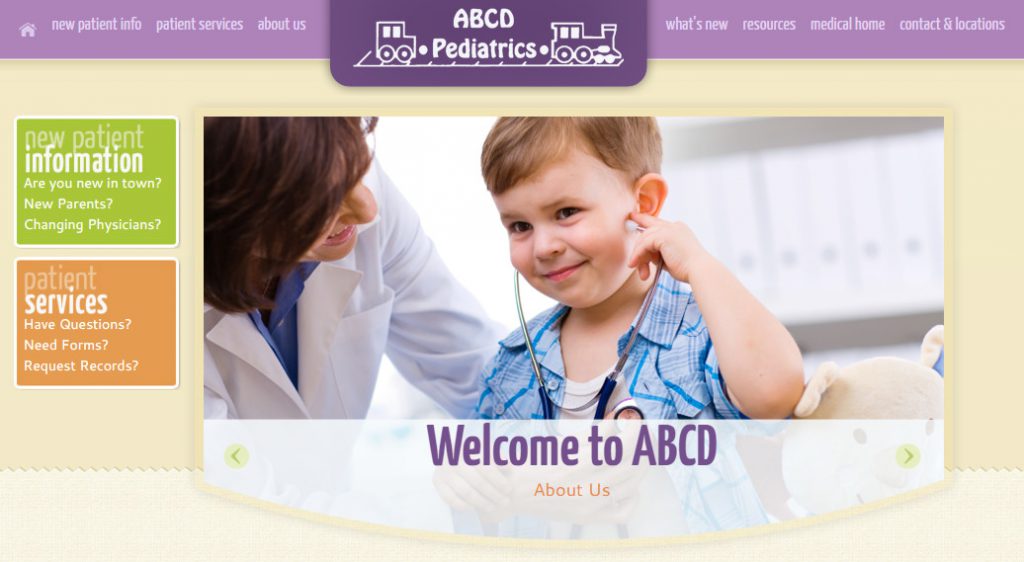
ABCD Pediatrics, a Texas based pediatric practice has recently reported a major data breach, which came as the result of a ransomware attack occurring in early February.  An article on Gov Info Security explores the attack, looking closely at what made it a reportable incident.

According to the practice, an employee discovered a virus had gained access to their system, starting the encryption process on their server. Due to the anti-malware software ABCD was running they were able to significantly slow down the encryption process. ABCD acted quickly by contacting their IT service provider who was able to move their server and computers offline. At no point in time did the practice receive a ransom demand or any other form of communication from the attackers.

The IT service provider for ABCD was able to remove the virus along with the corrupt data from their server. Fortunately for the practice, their secure backup data was stored separately and was not compromised during the attack, allowing them to use the backup to restore the data from the infected systems.

While no confidential data, including protected health information, were lost or destroyed in the incident, exfiltration or unauthorized viewing of data could not be ruled out.”

The practice stated that in the analysis of their servers and computers there were suspicious accounts discovered, which may indicate hackers did gain access to portions of their network.

The malware used in the attack was determined to be a ransomware named Dharma, a variant of an older version named CriSiS. Even though these malware strains are not typically known to exfiltrate data from the server, it could not be ruled out in this case.

Potentially compromised data include patients’ names, addresses, telephone number, date of birth, other demographic information, Social Security numbers, insurance billing information, current procedural technology codes, medical records and laboratory reports.”

This breach was reported to both the FBI and the Department of Health and Human Services, with HHS’ Office for Civil Rights’ recording the breach as a hacking incident that affected 55,447 people.


When to Report a Breach

Determining when a breach is reportable can be a difficult task. OCR issued guidance last July to assist both covered entities and business associates in determining if a ransomware attack should be reported as a breach under HIPAA regulations. OCR determined that in most cases ransomware is considered a reportable breach.

Under HIPAA , a breach is defined as the acquisition, access, use or disclosure of personal health information in a manner not permitted under the HIPAA Privacy Rule, which compromises the security or privacy of the PHI.”


The Time to Act is Now

Protecting your company from falling victim to ransomware is crucial.

Ransomware is still an ongoing and active problem in the healthcare industry – and obviously beyond. It’s a style of attack, which can have different root causes and different purposes. Sometimes, perpetrators are like the old Nigerian email scams – they try for lots of people just to see if something works, and may not even focus on what worked.”

– Kirk Nahra, Privacy Attorney at Wiley Rein law firm

Educating your staff on the importance of cybersecurity is 100% necessary. Training staff on how to spot anything suspicious is key in protecting your company. Teaching staff the value of reporting these incidents and monitoring your systems routinely will help protect your business. In addition, it is important to get familiar with breach notification issues. Using the guidance provided by OCR can be very beneficial in determining a reportable breach.

[divider_line] [framed_box bgColor=”#ffd390″]

Train your employees to spot ransomware!


All Covered Entities and Business Associates need to train their employees on HIPAA security. Our training not only focuses on HIPAA regulations, but concentrates on the risk of data breaches. We emphasize the dangers of phishing emails, phishing websites and ransomware. We teach employees how to spot phishing emails and how ransomware attacks a network so they can avoid being a victim.

Click below to watch a short video on the dangers of ransomware and the need to train employees

[tvideo type=”youtube” clip_id=”Z_YwViNg0ZY” autoplay=”false”]

Now it is easy to train your employees on protecting patient information!


[/framed_box]

Tags: BreachransomwareSecurity Training
No Comments
Share
0

You also might be interested in

Introducing HIPAA Secure Now!

Feb 13, 2011

We are proud to announce the launch of the HIPAA[...]

Employee training might produce the best security ROI

Employee training might produce the best security ROI

Feb 21, 2011

There are countless security products on the market today. You[...]

Using patient record security as a competitive advantage

Using patient record security as a competitive advantage

Mar 7, 2011

The following blog was written a year ago but the[...]

Leave a Reply Cancel Reply

Recent Posts

  • What Is Acceptable Use in a Medical Office?
  • Most Healthcare Leaders See the Promise of GenAI—Only 36% Feel Ready
  • How to Use Microsoft 365 Securely in a Shared Office Environment
  • Why Your HIPAA Policies Shouldn’t Live in a Drawer
  • Is Your Staff Prompting AI Safely? What You Need to Know Now

Recent Comments

  • Why Your Practice Needs an AI Acceptable Use Policy - HIPAA Secure Now! on How Gen AI is Transforming Everyday Healthcare
  • HIPAA Security Rule Changes 2025: What Your Healthcare Practice Must Know Now - The HJN Blog on 2025 HIPAA Security Rule Updates
  • Too Small for an OCR Audit? 2025 Proves Otherwise - HIPAA Secure Now! on How Engaging Training Reduces Employee Errors in Healthcare
  • 2025 HIPAA Security Rule Updates - HIPAA Secure Now! on How Engaging Training Reduces Employee Errors in Healthcare
  • Overcoming HIPAA Compliance Challenges for Small Healthcare Practices - HIPAA Secure Now! on How Engaging Training Reduces Employee Errors in Healthcare

Archives

  • July 2025
  • June 2025
  • May 2025
  • April 2025
  • March 2025
  • February 2025
  • January 2025
  • December 2024
  • November 2024
  • October 2024
  • September 2024
  • August 2024
  • July 2024
  • June 2024
  • May 2024
  • April 2024
  • March 2024
  • February 2024
  • January 2024
  • December 2023
  • November 2023
  • October 2023
  • September 2023
  • August 2023
  • July 2023
  • June 2023
  • May 2023
  • April 2023
  • March 2023
  • February 2023
  • January 2023
  • December 2022
  • November 2022
  • October 2022
  • September 2022
  • August 2022
  • July 2022
  • June 2022
  • May 2022
  • April 2022
  • March 2022
  • February 2022
  • January 2022
  • December 2021
  • November 2021
  • October 2021
  • September 2021
  • August 2021
  • July 2021
  • June 2021
  • May 2021
  • April 2021
  • March 2021
  • February 2021
  • January 2021
  • December 2020
  • November 2020
  • October 2020
  • September 2020
  • August 2020
  • July 2020
  • June 2020
  • May 2020
  • April 2020
  • March 2020
  • February 2020
  • January 2020
  • December 2019
  • November 2019
  • October 2019
  • September 2019
  • August 2019
  • July 2019
  • June 2019
  • May 2019
  • April 2019
  • March 2019
  • February 2019
  • January 2019
  • November 2018
  • October 2018
  • September 2018
  • August 2018
  • July 2018
  • June 2018
  • May 2018
  • April 2018
  • March 2018
  • February 2018
  • January 2018
  • December 2017
  • November 2017
  • October 2017
  • September 2017
  • August 2017
  • July 2017
  • June 2017
  • May 2017
  • April 2017
  • March 2017
  • February 2017
  • January 2017
  • December 2016
  • November 2016
  • October 2016
  • September 2016
  • August 2016
  • July 2016
  • June 2016
  • May 2016
  • April 2016
  • March 2016
  • February 2016
  • January 2016
  • December 2015
  • November 2015
  • October 2015
  • September 2015
  • August 2015
  • June 2015
  • May 2015
  • April 2015
  • March 2015
  • February 2015
  • January 2015
  • December 2014
  • November 2014
  • October 2014
  • September 2014
  • August 2014
  • July 2014
  • June 2014
  • May 2014
  • April 2014
  • March 2014
  • February 2014
  • January 2014
  • December 2013
  • November 2013
  • October 2013
  • September 2013
  • August 2013
  • July 2013
  • June 2013
  • May 2013
  • April 2013
  • March 2013
  • February 2013
  • January 2013
  • December 2012
  • November 2012
  • October 2012
  • September 2012
  • July 2012
  • June 2012
  • May 2012
  • April 2012
  • March 2012
  • February 2012
  • January 2012
  • December 2011
  • November 2011
  • October 2011
  • September 2011
  • August 2011
  • July 2011
  • June 2011
  • May 2011
  • April 2011
  • March 2011
  • February 2011

Categories

  • Backup & Disaster Recovery
  • Business Associates
  • Client News
  • Download
  • Healthcare Industry
  • HIPAA
  • HIPAA Audits
  • HIPAA Violations
  • HSN News
  • Legal
  • MACRA
  • Policies and Procedures
  • Press Release
  • Remote Workforce
  • Risk Assessment
  • Scams
  • Security
  • Security Reminders
  • Security Training
  • Telehealth
  • Uncategorized
  • Webinar
  • Website

Meta

  • Log in
  • Entries feed
  • Comments feed
  • WordPress.org

Contact Us

  • HIPAA Secure Now
  • 55 Madison Ave, Suite 400 Morristown, NJ 07960
  • (877) 275 - 4545
  • info@hipaasecurenow.com

Find us on Social Media

LEGAL

Privacy Policy

Terms of Service

Subscribe to our Newsletter

  • Hidden

© 2025 · HIPAA Secure Now!

Prev Next