• Blog
  • Services
    • PHIshMD Ongoing Training
    • HIPAA Compliance
    • Discover Vulnerabilities to Patient PHI
  • Store
    • HIPAA Secure Now Service Store
  • Contact Us
    • Sales Inquiry
    • Customer Support
  • Resources
    • Free Healthcare Security Check Up Quiz
    • HIPAA Compliance Requirements | A Guide
    • Webinars & Downloadable Content
    • Use our free Breach Cost Calculator
    • HIPAA Secured Seal
    • In-Email Training & Analysis | Catch Phish

Call us at: 877-275-4545

Client or Partner? Login here
HIPAA Secure Now!HIPAA Secure Now!
  • Blog
  • Services
    • PHIshMD Ongoing Training
    • HIPAA Compliance
    • Discover Vulnerabilities to Patient PHI
  • Store
    • HIPAA Secure Now Service Store
  • Contact Us
    • Sales Inquiry
    • Customer Support
  • Resources
    • Free Healthcare Security Check Up Quiz
    • HIPAA Compliance Requirements | A Guide
    • Webinars & Downloadable Content
    • Use our free Breach Cost Calculator
    • HIPAA Secured Seal
    • In-Email Training & Analysis | Catch Phish

VUMC Uses Multi-Factor Authentication to Combat Phishing Attacks

November 26, 2018 Posted by Art Gross HIPAA No Comments

Educating employees on security awareness and the dangers posed by cybercriminals is critical to any organization. While you can train employees on what to look for and how to best protect your practice, cybercriminals will continue to find unique and more sophisticated ways to trick individuals and gain access to the sensitive data they’re trying to protect. The key to truly protecting an organization may lie in acknowledging that there is no 100% fool-proof way to keep the criminals out.

Vanderbilt University Medical Center (VUMC) admits that while they are doing an outstanding job in educating their workforce and implementing technical safeguards to keep the bad guys out of their organization, they still get in. Health IT Security looks at how VUMC discovered their employees were being phished and what remediation steps were put in place to further improve their security measures to protect all applications and accounts.

Phishing remains a favored method of attack for cybercriminals due to the human factor. Organizations can put as many safeguards as possible in place to protect themselves in a technical sense, but all it takes is one employee to make a mistake to undo all of that.

VUMC, who has a plethora of safeguards in place to protect their organization has recently been targeted by cybercriminals attempting to phish their employees. Cybercriminals often carry out spear-phishing attacks, targeting specific individuals who the hacker may have information on, making them appear to come from a legitimate source.

Cybercriminals were targeting VUMC staff in an attempt to trick them into exposing their credentials to the HR site used to track direct deposit status, bank account info, and more. According to Andrew Hutchinson, Executive Director of Enterprise Security, hackers were able to change direct deposit information after obtaining credentials to have employees’ paychecks deposited to their own bank accounts. Luckily, VUMC quickly caught on after an employee reported not receiving their pay.

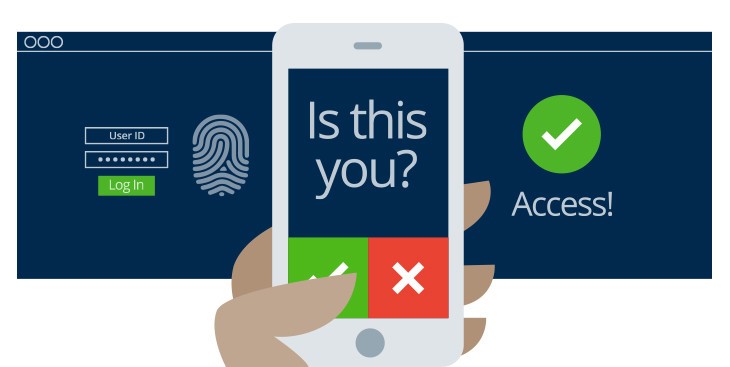
Although the hospital did have 2-factor authentication (2FA), or multi-factor authentication, across various applications at the time of the phishing attacks, some applications did not, including the HR portal. Now, VUMC has started adding 2FA to all platforms, which will require two forms of identification to gain access to the system. Early stages of the 2FA rollout were done on an optional basis, but as of Nov. 19th, the hospital will be requiring it for certain components where Personally Identifiable Information (PII) or other sensitive data may be kept.

The hospital has also ensured that all employees will have a way to utilize 2FA. They are offering the multi-factor authentication through a smartphone application, text message, or a key fob for employees who do not have a cell phone. The hospital is also allowing employees to go to express locations to pick up physical copies of their direct deposit forms, W2s, etc. if they would rather not use the HR portal at all.

Hutchison explains that the hospital does an excellent job of educating users on various security measures. Education is routinely provided regarding the use of multi-factor authentication, and phishing by sending out simulated phishing attacks, however, cybercriminals can still find ways into any system. To combat that, VUMC plans to continue forward with implementing any additional security measures they see fit and continuing to educate the workforce.

Tags: 2FAMulti-Factor AuthenticationPhishing
No Comments
Share
0

You also might be interested in

More Phishing Scams – LinkedIn

More Phishing Scams – LinkedIn

Mar 14, 2013

My inbox had a lot of emails from LinkedIn today.[...]

Additional insight into: Why Gang Members Want Your Identity

Additional insight into: Why Gang Members Want Your Identity

Apr 9, 2013

In a very interesting article titled Why Gang Members Want[...]

Hackers love small businesses – Infographic

Nov 14, 2014

A infographic by the National Cyber Security Alliance (NCSA) reported[...]

Leave a Reply Cancel Reply

Recent Posts

  • What Is Acceptable Use in a Medical Office?
  • Most Healthcare Leaders See the Promise of GenAI—Only 36% Feel Ready
  • How to Use Microsoft 365 Securely in a Shared Office Environment
  • Why Your HIPAA Policies Shouldn’t Live in a Drawer
  • Is Your Staff Prompting AI Safely? What You Need to Know Now

Recent Comments

  • Why Your Practice Needs an AI Acceptable Use Policy - HIPAA Secure Now! on How Gen AI is Transforming Everyday Healthcare
  • HIPAA Security Rule Changes 2025: What Your Healthcare Practice Must Know Now - The HJN Blog on 2025 HIPAA Security Rule Updates
  • Too Small for an OCR Audit? 2025 Proves Otherwise - HIPAA Secure Now! on How Engaging Training Reduces Employee Errors in Healthcare
  • 2025 HIPAA Security Rule Updates - HIPAA Secure Now! on How Engaging Training Reduces Employee Errors in Healthcare
  • Overcoming HIPAA Compliance Challenges for Small Healthcare Practices - HIPAA Secure Now! on How Engaging Training Reduces Employee Errors in Healthcare

Archives

  • July 2025
  • June 2025
  • May 2025
  • April 2025
  • March 2025
  • February 2025
  • January 2025
  • December 2024
  • November 2024
  • October 2024
  • September 2024
  • August 2024
  • July 2024
  • June 2024
  • May 2024
  • April 2024
  • March 2024
  • February 2024
  • January 2024
  • December 2023
  • November 2023
  • October 2023
  • September 2023
  • August 2023
  • July 2023
  • June 2023
  • May 2023
  • April 2023
  • March 2023
  • February 2023
  • January 2023
  • December 2022
  • November 2022
  • October 2022
  • September 2022
  • August 2022
  • July 2022
  • June 2022
  • May 2022
  • April 2022
  • March 2022
  • February 2022
  • January 2022
  • December 2021
  • November 2021
  • October 2021
  • September 2021
  • August 2021
  • July 2021
  • June 2021
  • May 2021
  • April 2021
  • March 2021
  • February 2021
  • January 2021
  • December 2020
  • November 2020
  • October 2020
  • September 2020
  • August 2020
  • July 2020
  • June 2020
  • May 2020
  • April 2020
  • March 2020
  • February 2020
  • January 2020
  • December 2019
  • November 2019
  • October 2019
  • September 2019
  • August 2019
  • July 2019
  • June 2019
  • May 2019
  • April 2019
  • March 2019
  • February 2019
  • January 2019
  • November 2018
  • October 2018
  • September 2018
  • August 2018
  • July 2018
  • June 2018
  • May 2018
  • April 2018
  • March 2018
  • February 2018
  • January 2018
  • December 2017
  • November 2017
  • October 2017
  • September 2017
  • August 2017
  • July 2017
  • June 2017
  • May 2017
  • April 2017
  • March 2017
  • February 2017
  • January 2017
  • December 2016
  • November 2016
  • October 2016
  • September 2016
  • August 2016
  • July 2016
  • June 2016
  • May 2016
  • April 2016
  • March 2016
  • February 2016
  • January 2016
  • December 2015
  • November 2015
  • October 2015
  • September 2015
  • August 2015
  • June 2015
  • May 2015
  • April 2015
  • March 2015
  • February 2015
  • January 2015
  • December 2014
  • November 2014
  • October 2014
  • September 2014
  • August 2014
  • July 2014
  • June 2014
  • May 2014
  • April 2014
  • March 2014
  • February 2014
  • January 2014
  • December 2013
  • November 2013
  • October 2013
  • September 2013
  • August 2013
  • July 2013
  • June 2013
  • May 2013
  • April 2013
  • March 2013
  • February 2013
  • January 2013
  • December 2012
  • November 2012
  • October 2012
  • September 2012
  • July 2012
  • June 2012
  • May 2012
  • April 2012
  • March 2012
  • February 2012
  • January 2012
  • December 2011
  • November 2011
  • October 2011
  • September 2011
  • August 2011
  • July 2011
  • June 2011
  • May 2011
  • April 2011
  • March 2011
  • February 2011

Categories

  • Backup & Disaster Recovery
  • Business Associates
  • Client News
  • Download
  • Healthcare Industry
  • HIPAA
  • HIPAA Audits
  • HIPAA Violations
  • HSN News
  • Legal
  • MACRA
  • Policies and Procedures
  • Press Release
  • Remote Workforce
  • Risk Assessment
  • Scams
  • Security
  • Security Reminders
  • Security Training
  • Telehealth
  • Uncategorized
  • Webinar
  • Website

Meta

  • Log in
  • Entries feed
  • Comments feed
  • WordPress.org

Contact Us

  • HIPAA Secure Now
  • 55 Madison Ave, Suite 400 Morristown, NJ 07960
  • (877) 275 - 4545
  • info@hipaasecurenow.com

Find us on Social Media

LEGAL

Privacy Policy

Terms of Service

Subscribe to our Newsletter

  • Hidden

© 2026 · HIPAA Secure Now!

Prev Next